
Buttock Pain During Pregnancy: Causes and Treatment in Singapore

Buttock pain during pregnancy in Singapore is common but that does not mean it should be dismissed. The same pattern of pain can come from the sacroiliac joint, a lumbar disc, irritated nerves, overworked muscles, or the hip and pelvis. Good treatment starts with finding the most likely source, not just treating the area that hurts.
This article explains why pregnancy buttock pain happens, when to seek urgent care, how doctors assess it, and what treatment options may help, from pregnancy-appropriate physiotherapy to carefully selected ultrasound-guided procedures.
This information is for education only and does not replace medical advice from a Pain Specialist.

Causes of Buttock Pain during Pregnancy
Buttock pain during pregnancy can arise from several different structures, and identifying the potential pain generator is an important part of an accurate assessment. Pregnancy changes the way forces are distributed through the lumbar spine, pelvis and hips. As the abdomen grows, posture and movement patterns change, while increased load through the pelvis can place greater demands on the muscles, joints and supporting tissues. Pelvic girdle pain is common, affecting approximately 1 in 5 pregnant women.
The sacroiliac (SI) joints connect the sacrum at the base of the spine with the pelvis and play an important role in transferring forces between the spine and legs. Pregnancy-related changes in pelvic loading can lead to SI joint pain. Patients with SI joint pain may describe pain in one or both buttocks which can radiate to the back of the thigh. Activities that load the pelvis asymmetrically (such as walking, climbing stairs, standing on one leg, getting in and out of a car, or turning over in bed) can aggravate symptoms.
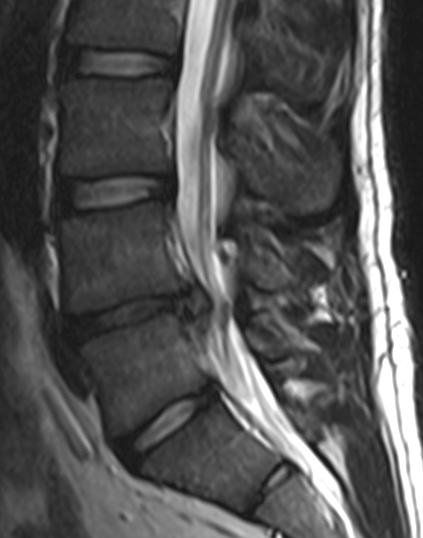
The lumbar spine can also be a source of buttock pain. Disc-related issues (such as as herniated disc, also known as prolapsed intervertebral disc) may irritate structures around the lumbar spine or, in some cases, a nerve root. When a nerve is involved, pain may extend from the lower back or buttock into the thigh or leg and can be associated with burning, electric or shooting sensations, tingling or numbness. Weakness is a more concerning neurological symptom and warrants prompt assessment. Importantly, buttock pain does not automatically mean that there is a disc herniation—clinical examination is needed to distinguish disc and nerve-related pain from other causes.
The gluteal muscles, tendons and soft tissues around the pelvis and hip can also be an important pain generator as their forces around the tissues are altered during pregnancy. Hip pathology usually causes pain in the groin. But occasionally, it can also present as buttock pain.
Because these conditions can produce overlapping symptoms, the location and character of the pain, aggravating movements, neurological symptoms and physical examination findings all help determine the most likely pain generator. In some cases, further imaging such as an ultrasound scan or MRI scan may also be helpful. Identifying the pain generator is particularly important when considering treatment, as management should be directed at the suspected source of pain rather than treating every case of pregnancy-related buttock pain in the same way.
How buttock pain during pregnancy is diagnosed
Our pain specialist in Singapore will assess your symptoms through a detailed history and focused physical examination to identify the most likely pain generator. This includes understanding the location and character of your pain, whether it radiates into the leg, and whether you have associated symptoms such as tingling, numbness or weakness. A physical examination will aso be conducted to assess your spine, pelvis and hips. Specialisted clinical and neurological tests are also conducted to distinguish between SI joint, spinal, nerve, muscular and hip-related causes. When appropriate, pregnancy-safe imaging such as MRI or ultrasound may be considered.
Radiological Imaging during Pregnancy
Imaging is not needed for every case of lower back and buttock pain pregnancy. Many cases improve with conservative care and monitoring.
When imaging is clinically necessary during pregnancy, the choice of imaging modality is individualized, taking into account the mother's condition, stage of pregnancy and the diagnostic information required. When imaging is needed and cannot be deferred, non-ionizing modalities are preferred during pregnancy to ensure the safety of the developing fetus. These non-ionizing modalities include modalities such as ultrasound and MRI scans.
Conservative treatment is usually the first step
Most pregnancy-related buttock pain starts with conservative treatment. This includes using medications that are known to be safe during pregnancy (such as paracetamol), activity modification and physiotherapy. However, in cases where one has not responded to conservative treatment, we offer ultrasound guided interventions, which can be helpful for some patients.
What happens when pain persists despite conservative care
Some patients continue to have significant pain despite physiotherapy, activity changes, support belts, and suitable medication advice. If pain affects sleep, walking, work, or daily care, further assessment may be needed.
This is where interventional pain management in Singapore may be considered for carefully selected patients. Interventional treatment is considered when:
Symptoms are severe or persistent
The likely pain source has been assessed carefully
Conservative treatment has not provided enough relief
The benefit of treatment may outweigh the risks
The obstetric team is involved in decision-making
The aim is usually to reduce pain enough to restore function, improve sleep, and allow safer participation in rehabilitation.
Ultrasound-Guided Injections for Pregnancy-Related Pain in Singapore
At our clinic in Singapore, ultrasound-guided injections may be considered for carefully selected patients when conservative treatment has not provided sufficient relief. This allows for real-time imaging to guide a needle towards a target structure. Ultrasound uses sound waves rather than ionising radiation. This is different from X-ray-based guidance, which uses radiation. Example of ultrasound guided injections that we offer for pregnant patients include:
Sacroiliac Joint Injections
Epidural Steroid Injections
Trigger Point Injections
Piriformis Muscle Injection
Hip Joint Injection
Subtrochanteric Bursa Injection
Experiencing persistent buttock or leg pain during pregnancy in Singapore?
If your pain is affecting your sleep, walking or daily activities, an assessment by a pain specialist may help identify the underlying pain generator and determine whether further treatment is appropriate. Dr Christopher Liu provides specialist assessment and ultrasound-guided interventional pain services at Alleviate Pain Clinic in Singapore.
About Dr Christopher Liu
This article is written by Dr Christopher Liu. He is a Senior Consultant Pain Physician and Medical Director at Alleviate Pain Clinic in Farrer Park Hospital, Singapore. He has an interest in Interventional Pain Procedures and treats pregnant patients with Back Pain . Make an appointment with us today.


Comments