
Osteoporotic Vertebral Fracture: What Can Be Done When Back Pain Persists?

An osteoporotic vertebral compression fracture can cause sudden and severe back pain, particularly in older adults with weakened bones. While many fractures improve with conservative treatment, some patients continue to experience significant or disabling pain.
When pain persists despite medication, rest, bracing or physiotherapy, it may be appropriate to seek further assessment from a pain or spine specialist to prevent complications related to immobility and deconditioning. For carefully selected patients, minimally invasive procedures such as vertebroplasty or balloon kyphoplasty may be considered.

What Is an Osteoporotic Vertebral Compression Fracture?
The vertebrae are the bones that make up the spine. Osteoporosis weakens these bones, making them more vulnerable to fractures. An osteoporotic vertebral compression fracture can occur after a relatively minor injury or sometimes with no obvious injury at all. Patients may experience sudden back pain, difficulty standing or walking, and pain that becomes worse with movement. These fractures most commonly occur in the middle or lower back.
Why Does the Pain from Vertebral Fracture Sometimes Persist?
Many painful vertebral fractures gradually improve over several weeks with appropriate conservative treatment. However, not every patient follows the same recovery pattern. Persistent pain despite medications may interfere with walking, sleep, daily activities and independence. If you continue to experience severe back pain after a compression fracture, particularly if the pain is affecting your normal activities despite treatment, a pain specialist assessment may be appropriate.
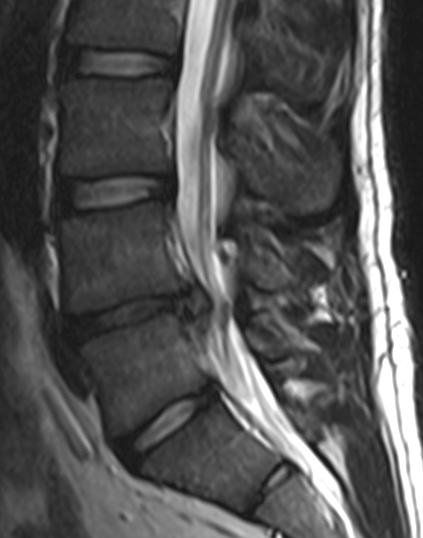
Vertebroplasty or balloon kyphoplasty Osteoporotic fractures are best treated when theYour doctor may review your symptoms and medical history and examine imaging such as X-rays, CT or MRI scans to determine whether the fracture is still active and whether another cause of pain needs to be considered.
Treatment for Painful Vertebral Compression Fractures
Initial treatment commonly involves conservative measures. Depending on the individual patient, this usually includes
Pain medication prescriptions
Activity modification
Bracing in selected cases
Physiotherapy and rehabilitation
Assessment and treatment of osteoporosis to reduce the risk of future fractures
However, some patients continue to have substantial pain despite these measures.
This is where vertebral augmentation procedures may be considered.
What Is Vertebroplasty?
Vertebroplasty is a procedure that is performed under X-ray guidance. Bone cement is injected into the vertebral bone. This reduces pain from osteoporotic fractures by stabilizing the bone fragments and also by dulling the nerves that supply the vertebral bone.
Vertebroplasty is not suitable for every patient. Careful assessment of the symptoms, imaging findings, fracture characteristics and overall health is important before deciding whether the procedure is appropriate.
What Is Balloon Kyphoplasty?
Balloon kyphoplasty is another form of vertebral augmentation. Also done under X-ray guidance, a needle is inserted into the vertebral bone. Before cement is injected into the bone, a small balloon is introduced into the fractured vertebra and gently inflated to create a cavity before bone cement is inserted.
The choice between vertebroplasty and kyphoplasty depends on several factors and your doctor will assist you to make a decision about this.
Vertebroplasty vs Kyphoplasty: What Is the Difference?
Both procedures are designed to treat selected painful vertebral compression fractures by stabilizing the affected vertebra with bone cement.
The main difference is the technique used to prepare the vertebra before cement injection.
Vertebroplasty involves direct injection of bone cement into the fractured vertebra.
Kyphoplasty uses a balloon first to create a cavity within the vertebra before cement is introduced.
Neither procedure is automatically better for every patient. The appropriate treatment depends on the patient's symptoms, imaging findings, fracture characteristics, medical condition and treatment goals.
Who May Benefit From Vertebroplasty or Kyphoplasty?
Vertebroplasty or kyphoplasty may be considered for carefully selected patients who have:
A painful osteoporotic vertebral compression fracture
Persistent or severe pain that is significantly affecting daily life
Pain that has not improved adequately with appropriate conservative treatment
Imaging findings that support the fractured vertebra as the likely source of pain
A specialist assessment is important because back pain in an older adult can have many causes. The presence of a vertebral fracture on an X-ray does not necessarily mean that the fracture is responsible for all of the patient's pain.
What Can Patients Expect Afterwards?
The goal of vertebral augmentation is to reduce pain associated with the treated fracture and help the patient return to normal activities where possible.
Recovery varies between individuals. Some patients experience meaningful improvement relatively quickly, while others may require additional treatment and rehabilitation.
Importantly, vertebroplasty and kyphoplasty do not treat the underlying osteoporosis. Patients who have suffered an osteoporotic fracture should also receive appropriate assessment and management of their bone health to reduce the risk of future fractures.
When Should You See a Pain Specialist?
If you have a vertebral fracture but have not experienced sufficient pain relief from medications, you should seek a specialist assessment. At Alleviate Pain Clinic, our pain specialist can assess whether the fractured vertebra is likely to be the cause of your back pain and discuss with you the appropriate treatment options, including vertebral augmentation if suitable.
Frequently Asked Questions
How long does pain from an osteoporotic vertebral fracture last?
Pain can improve gradually over several weeks, but recovery varies considerably between
patients. During this period, it is important to have good pain relief to reduce the risk of immobility related complications and deconditioning.
When is vertebroplasty needed?
Vertebroplasty may be considered when a carefully selected patient has a painful vertebral compression fracture and continues to experience significant symptoms despite appropriate conservative treatment.
When is kyphoplasty needed?
Kyphoplasty may be considered for selected patients with a painful vertebral compression fracture. In patients with significant vertebral body collapse, kyphoplasty may help restore some of the vertebral height and correct vertebral deformity. Whether kyphoplasty is appropriate depends on the patient's symptoms, fracture characteristics on imaging, overall medical condition, and treatment goals.
Is vertebroplasty suitable for everyone?
No. Vertebroplasty is not appropriate for every vertebral fracture or every patient. A detailed clinical assessment and review of imaging are necessary before recommending the procedure.
Is kyphoplasty a minimally invasive procedure?
Yes. Kyphoplasty is performed through small access points using image guidance. However, as with any medical procedure, it has potential risks and should only be recommended when the expected benefits outweigh the risks.
Don't Ignore Persistent Pain After a Vertebral Fracture
An osteoporotic vertebral fracture can have a major impact on mobility, independence and quality of life. Although many patients improve with conservative treatment, some continue to experience significant pain.
If you are in Singapore and have persistent or severe pain after an osteoporotic vertebral compression fracture, a specialist assessment can help determine the cause of your pain and whether further treatment may be appropriate. Vertebroplasty and kyphoplasty are options that may provide pain relief for carefully selected patients. The first step is a proper assessment to determine whether one of these procedures is suitable for you. If you continue to experience significant pain despite treatment, speak to a pain specialist about your options.
Dr Christopher Liu is a Pain Specialist at Alleviate Pain Clinic, Singapore. He is Fellowship Trained in Interventional Pain Management and performs a range of Minimally Invasive Spine Interventions including Vertebroplasty and Kyphoplasty. For an appointment, contact our clinic at Farrer Park Hospital today. He is also available for inpatient consultation at Mount Elizabeth Hospital, Mount Elizabeth Novena Hospital, Farrer Park Hospital, Thomson Medical Center, Mount Alvernia Hospital and Parkway East Hospital.


Comments