
Sciatica Treatment Singapore: When to See a Pain Specialist

Sciatica can be more than just an occasional ache in your lower back. For some people, the pain travels from the lower back or buttock down the leg. It may also be associated with numbness, tingling, burning sensations, or weakness.
If you have been managing sciatica for weeks and it is not getting better, you may be wondering "Is this normal?" or "Do I need to see a specialist?".The answer depends on the cause of your symptoms, how long they have lasted, their severity, and whether you have developed any warning signs.
For people in Singapore dealing with persistent or recurring sciatica, going to a pain clinic may help clarify what is causing the pain and identify appropriate treatment options.
What Is Sciatica?
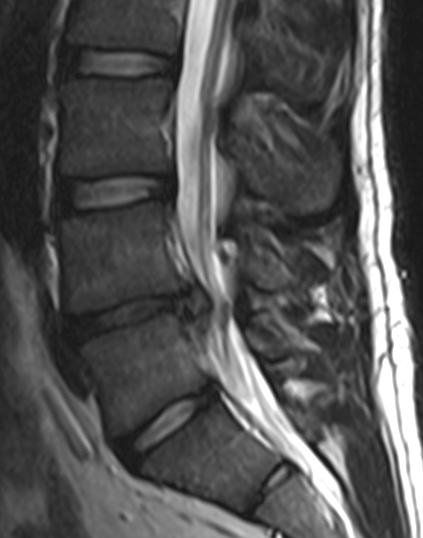
Sciatica is a term commonly used to describe pain or other symptoms affecting the distribution of the sciatic nerve. It usually occurs when a nerve root in the lower spine becomes irritated or compressed.
Common symptoms include:
Pain in the lower back, buttock, or leg
Shooting or electric-like pain travelling down the leg
Tingling or pins and needles
Numbness
Burning sensations
Weakness in the affected leg
Sciatica can have different causes. - eg. a slipped disc or a tumour causing compression of a nerve. This is why persistent symptoms should not automatically be attributed to a "slipped disc" without an appropriate medical assessment.
Why Is My Sciatica Not Getting Better?
There are several possible reasons why sciatica may persist.
1. The underlying cause has not been addressed
Pain relief may temporarily reduce symptoms without addressing the underlying source of nerve irritation. Depending on the cause, treatment may involve physiotherapy, medication, activity modification, injections, or other approaches. A medical assessment can help determine which options may be appropriate for you.
2. You may be returning to aggravating activities too soon
Certain movements, prolonged sitting, heavy lifting, or repetitive activities may aggravate symptoms in some people. However, complete bed rest is generally not the answer either. Your doctor can advise you on appropriate activity levels based on your condition.
3. The diagnosis may need to be reconsidered
Not every pain travelling down the leg is caused by the same problem. Persistent leg pain can have different causes, and symptoms may sometimes overlap with other conditions affecting the spine, nerves, muscles, or joints. If your symptoms are not improving as expected, reassessing the diagnosis may be appropriate.
4. The nerve may still be irritated
Nerves can take time to recover after irritation or compression. Improvement may therefore be gradual rather than immediate. However, persistent, worsening, or functionally limiting symptoms deserve medical attention rather than simply waiting indefinitely.
5. Your treatment plan may need to be adjusted
There is no single treatment that works for every person with sciatica. If your current approach has not provided sufficient relief, a pain specialist in Singapore can assess your symptoms and discuss whether other treatment strategies may be suitable.
When Should You See a Pain Specialist for Sciatica?
Consider arranging a medical assessment if your sciatica:
Has persisted despite conservative treatment
Keeps coming back
Is interfering with sleep or daily activities
Makes it difficult to sit, stand, walk, or work
Is becoming increasingly painful
Is associated with persistent numbness or tingling
Our Pain specialist can assess your symptoms, review previous investigations and treatments, and determine whether further evaluation or a different treatment approach is appropriate.
What Does a Pain Specialist Do for Sciatica?
A pain specialist will typically begin by taking a detailed history and performing a physical examination. Depending on your symptoms and examination, additional investigations may or may not be recommended.
The goal is not simply to reduce pain temporarily. A specialist assessment can help identify possible pain generators and determine which treatment options are appropriate for your situation.
What Treatments Are Available for Sciatica in Singapore?
Treatment depends on the suspected cause, severity, duration, and individual circumstances. For many patients, medications and physiotherapy are effective at reducing pain and improving one's function. However, there are cases where these treatments are insufficient. In such cases, you may be a candidate for Interventional Pain Treatments or Surgery.
Common interventional pain treatments that are offered at our clinic include:
Epidural Steroid Injections - reduce inflammation around nerve roots
Nucleoplasty - Reduces intradiscal pressure, providing relief of mechanical compression of compressed nerve roots
Annuloplasty - Ablation of pain-carrying nerve fibers and sealing up small tears of the disc
Sacroiliac Joint Injections and radiofrequency ablation - Treats pain arising from the sacroiliac joints
Do You Need an MRI for Sciatica?
Not everyone with sciatica needs an MRI. Imaging decisions are generally based on factors such as the duration and severity of symptoms, neurological findings, suspected underlying conditions, and whether the results are likely to change management. Speak to us to find out more.
How Long Does Sciatica Take to Get Better?
There is no single recovery timeline for everyone. Some people improve with conservative treatment, while others experience persistent or recurrent symptoms.
The expected course depends partly on what is causing the symptoms and whether there is ongoing nerve compression or another underlying condition. If your pain has continued without meaningful improvement, is getting worse, or is interfering with your daily life, it is important to seek a medical assessment.
Finding a Back Pain / Sciatica Specialist in Singapore
If you have persistent sciatica, lower back pain, or radiating leg pain, book a consultation with Dr Christopher Liu to discuss your symptoms and treatment options. Dr Christopher Liu is a Back Pain Specialist with over 20 years of experience. He offers minimally invasive procedures for Sciatica. These procedures are covered by Integrated Shield Plans and Corporate Insurances. Speak to us to find out more.
Medical information on this page is for general educational purposes and does not replace an individual medical assessment. Treatment recommendations vary according to the patient's condition. If you experience sudden bladder or bowel dysfunction, saddle-area numbness, significant or rapidly worsening weakness, or other severe symptoms, seek urgent medical attention.


Comments