
Sciatica Pain? Fast, Non-Surgical Relief for Herniated Disc Symptoms Lower Back

Did you recently experience a sudden, sharp pain in your lower back that shoots all the way down your buttock, thigh, or leg? Does coughing, sneezing, or sitting down make the pain worse?
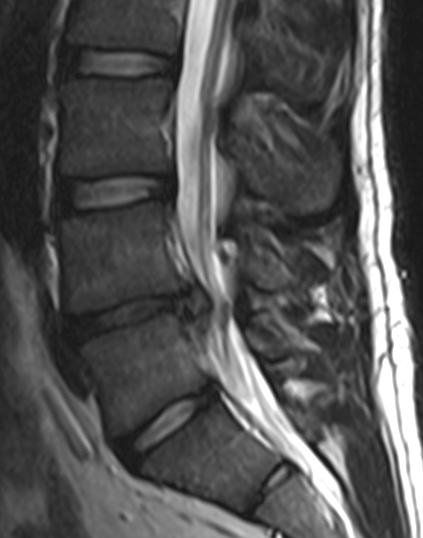
If so, you may be dealing with an acute lumbar disc herniation (commonly known as a slipped disc). When a spinal disc bulges or ruptures suddenly, it pinches nearby spinal nerves—causing severe, radiating sciatica pain. The good news? Over 90% of herniated disc symptoms in the lower back recover without the need for major spine surgery.
What Happens During a Lumbar Disc Herniation?
Your spine is made of bones (vertebrae) with intercalating discs (intervertebral discs) which gives the spine the ability to move flexibly. These intervertebral discs are made of an inner gel like core called the nucleus pulposus and a fibrous outer ring called the annulus fibrosus. An acute herniation occurs when the annulus fibrosus tears and the nucleus pulosus leaks through the tear and presses against a spinal nerve root. This results in chemical inflammation and mechanical compression of the nerve, causing intense nerve pain that radiates down your arm or leg - this is called radiculopathy.
Herniated Disc Symptoms Lower Back
If you are experiencing a lumbar disc herniation, your symptoms will likely include:
Shooting Sciatica Pain: Electric, burning, or sharp pain traveling through your buttock, down the back or side of your leg, and sometimes into your foot or toes.
Positional Discomfort: Pain that flares up significantly when sitting, bending forward, or coughing, but eases up when lying down flat.
Numbness or Pins-and-Needles: Tingling sensations or a "dead skin" feeling along your leg or foot.
Localized Back Stiffness: A tight, painful spasm in your lower back making it hard to stand up straight.
What to expect during a Spine Pain Consultation?
Finding the root cause of your back and leg pain starts with a targeted, in-clinic evaluation. We begin with a physical and neurological assessment—checking your posture, muscle strength, and flexibility through simple movement tests (like a straight leg raise) to see if a pinched nerve or slipped disc is triggering your symptoms.
To confirm your diagnosis, we use detailed spinal imaging, such as an MRI scan or diagnostic injections. An MRI provides a clear view inside your spine, pinpointing exact disc herniations, joint swelling, or nerve compression. By matching your physical symptoms directly with your MRI results, we map out a precise, non-surgical treatment plan to help you recover quickly.
Non-Surgical Sciatica Treatment Options in Singapore
Disc herniation pain can be severe, impacting a patient's ability to sit and walk properly, let alone return to work. Speak to your doctor about about the following options:
Medical management
Targeted Nerve Medications: Short-term anti-inflammatories and nerve pain agents to quiet down hypersensitive nerve paths.
Controlled Activity Modification: Avoiding bed rest beyond 1–2 days and replacing it with gentle movement within your pain-free zone.
Physiotherapy: Once acute inflammation drops, core stabilization exercises help protect your spine against future flare-ups.
Non-surgical treatment options
Epidural Steroid Injections: For acute, severe sciatica pain that makes daily movement unbearable, an Epidural Steroid Injection is indicated. An epidural steroid injection is a very safe procedure that provides rapid pain relief. Anti-inflammatory medication is delivered directly into the epidural space surrounding the inflamed nerve root under real-time X-ray (fluoroscopy).This rapidly reduces swelling, breaking the acute pain cycle so you can sit, walk, and participate in physical therapy comfortably.
Nucleoplasty (Disc Decompression): Nucleoplasty is a minimally invasive procedure that uses radiofrequency energy (Coblation) to dissolve a small amount of tissue inside the herniated disc. Performed through a specialized needle under real-time X-ray guidance, this procedure immediately reduces internal disc pressure, allowing the bulge to pull back away from pinched nerves for rapid pain relief.
Annuloplasty: For persistent, deep lower back pain caused by tears in the outer annulus, annuloplasty provides a minimally invasive path to recovery. During this procedure, specialized needle is inserted into the annulus fibrosis of the affected disc under X-ray guidance. The application of controlled heat seals painful tear fibers in the disc wall and numbs tiny, hypersensitive nerve endings.
Benefits of Non-Surgical Spine Treatments
Minimally invasive with reduced risk compared to surgery
Performed as day surgery or outpatient procedures, allowing quick recovery
Can be repeated or combined for sustained pain control
MediSave claimable pain procedure Singapore and covered under Integrated Shield Plan insurance claimable options, easing financial concerns
Preserve spinal mobility and function while relieving symptoms
When to See a Spine Pain Specialist in Singapore
If you experience persistent neck or back pain with radiating symptoms such as numbness, tingling, or weakness, consult a back pain specialist Singapore promptly. Early consultation and intervention by a pinched nerve specialist can prevent worsening nerve damage and improve treatment success.
If you suffer from neck, back, or radicular pain, explore non-surgical treatment options available in Singapore to regain your quality of life safely and effectively. Make an appointment to Dr Christopher Liu today. He is a MOH accredited Pain Physician in Singapore with expertise in minimally invasive spine pain procedures.
Disclaimer: This content is for informational purposes only and does not replace professional medical advice. Consult a healthcare professional for diagnosis and treatment tailored to your condition.


Comments